

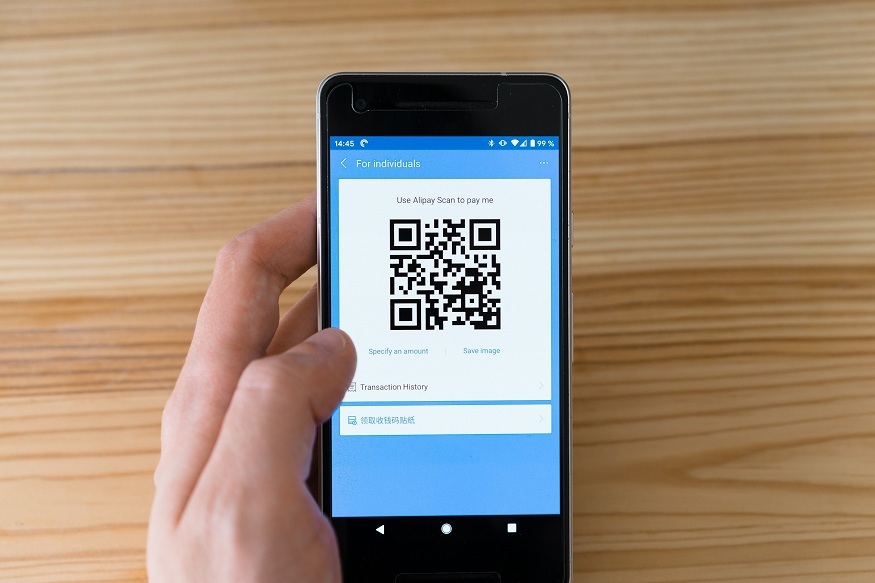
Digital payments have transformed how we handle money. We tap and swipe without a second thought because the convenience is simply too good to pass up. However, the simplicity of a secure UPI app often masks the underlying risks that come with instant connectivity.
In the modern financial landscape, speed is king. We want our transactions to happen in seconds, whether we are buying groceries or sending money to a friend. This convenience is powered by sophisticated technology that works silently in the background to keep our data safe.
The Psychology Behind Weak PIN Choices
Human beings are creatures of habit and comfort. When we are asked to create a four or six-digit code, our brains naturally gravitate toward patterns that are easy to remember. This is why codes like 1234, 0000, or 1111 remain some of the most common choices globally. While these are easy to recall during a busy day, they are also the first things a malicious actor will try.
Beyond simple sequences, many users choose significant dates like birthdays or anniversaries. While these feel personal, they are often public information in the age of social media. If someone can find your birth year or your wedding date online, they are halfway to unlocking your account. A secure UPI app provides the platform, but the strength of the lock is entirely up to the user.
Read More:Understanding Noxious Gas Test Chambers and Their Benefits
Why Your PIN Is the Ultimate Gatekeeper
We often hear about biometric security like fingerprint scanning or facial recognition. These features are excellent for unlocking your phone, but the PIN remains the ultimate fallback. If the biometric sensor fails or if the device restarts, the system asks for the code. In many cases, the PIN is what actually authorizes the movement of money from your bank account.
If a stranger gains access to your phone and knows your PIN, they have total control. They can change settings, add beneficiaries, and empty accounts before you even realize the device is missing. This makes the code more than just a password. It is a direct key to your financial life. Treating it with anything less than total secrecy is a major risk.
The Hidden Dangers of Shoulder Surfing
We use our phones everywhere. We use them in crowded markets, on public transport, and in busy cafes. In these environments, it is very easy for someone to watch over your shoulder while you enter your code. This practice is known as shoulder surfing, and it is one of the oldest tricks in the book for a reason. It works.
When you open your UPI app in public, you must be aware of your surroundings. It only takes a second for a bystander to memorize a four-digit sequence. Once they have that, all they need is a moment of distraction to take your phone. Good PIN hygiene involves physical awareness just as much as digital complexity. Always shield your screen or wait until you are in a more private space to conduct sensitive transactions.
Frequency of Change and the Risk of Stagnation
Many people set a PIN when they first install a UPI app and never change it again. They might use the same code for years, even after their phone has been repaired by a third party or lent to a friend. This stagnation is a security loophole. The longer a code remains the same, the higher the chance that it has been compromised or observed by someone else.
Regularly updating your code is a simple way to reset your security posture. Think of it like changing the batteries in a smoke detector. You do it to ensure everything is functioning as it should. A fresh code eliminates the risk from any past exposure you might not even be aware of. It keeps your financial access points dynamic rather than static.
Avoiding the Trap of PIN Recycling
One of the most common mistakes users make is using the same PIN for everything. They use the same code for their phone lock, their ATM card, and their secure UPI app. While this makes life easy, it creates a single point of failure. If a hacker gets hold of one code, they suddenly have the keys to your entire financial kingdom.
Security experts recommend using unique codes for different purposes. Your payment authorization code should be distinct from the code you use to unlock your phone screen. This creates layers of defense. Even if someone manages to get past the first gate, they will be stopped at the second. This separation is a cornerstone of effective digital hygiene.
Educating Yourself Against Social Engineering
No matter how many security features a UPI app has, the human element is often the weakest link. Scammers have become incredibly sophisticated at tricking people into revealing their codes. They might call you pretending to be a bank official or a customer support representative. They might create a sense of urgency, claiming your account will be blocked if you do not verify your identity immediately.
It is vital to remember that no legitimate financial institution or app provider will ever ask for your PIN. This code is for your eyes only. If someone asks for it, they are trying to rob you. Developing a habit of skepticism is part of maintaining good hygiene. If you feel pressured or rushed, stop the conversation and contact the official support channels yourself.
Practical Steps for Better Digital Safety
Improving your security does not have to be a complicated process. Start by choosing a random sequence of numbers that has no personal significance. Avoid repeating digits or consecutive numbers. If your app allows for a six-digit PIN instead of four, always opt for the longer version as it is significantly harder to guess.
Read More:Innovative Solutions for Business Growth: Consultants and Copilot Providers
Additionally, make it a habit to use your hand to cover the screen whenever you are typing in public. Never write your PIN down in a notebook or save it in a plain text file on your phone. If you have trouble remembering multiple codes, consider using a dedicated password manager that is protected by its own strong encryption. By taking these small steps, you ensure that your UPI app remains a tool for convenience rather than a liability.
The Future of Personal Financial Security
As technology evolves, we will likely see even more advanced ways to protect our money. However, the fundamental need for a personal secret code is unlikely to disappear anytime soon. The responsibility for digital safety is a shared one. While developers work to create a secure UPI app, the user must do their part by practicing disciplined PIN management.
Ultimately, your financial safety is in your hands. By moving away from predictable patterns and being mindful of how and where you use your codes, you can enjoy the benefits of digital payments without the constant fear of fraud. Good hygiene is not a one-time event but a continuous practice that keeps your hard-earned money exactly where it belongs.